Rent vs buy in Anderson, SC depends on how long you expect to stay, how much cash you can keep in reserve, and the full monthly cost of each option. For this planning comparison, the City of Anderson's recent median sale price of about $273,000 serves as the ownership baseline. Census estimates also show that just over half of Anderson households own their homes, at 51.1%, while nearly half rent. In 2026, with mortgage rates at their highest level in several years, the strongest decision is usually the one that fits both your timeline and your monthly budget.
Rent vs. Buy in Anderson: 2026 Snapshot
- Home-price baseline: About $273,000 is the recent median sale price used for ownership examples in this guide.
- Mortgage-rate baseline: A 30-year fixed mortgage rate of 7.40% is used for planning, based on the October 15, 2026 Primary Mortgage Market Survey. A year earlier, the same average was 6.27%.
- Estimated principal and interest: Financing 80% of $273,000 produces an estimated principal-and-interest payment of about $1,512 per month.
- Rental baseline: Census estimates for 2020 to 2024 place Anderson's median gross rent at $975 per month. Current asking rents for available units often run higher, so check live listings before comparing.
- Owner occupancy: 51.1% of Anderson households are owner occupied, which means renters make up nearly half of the local housing market.
Anderson Housing Market: Key Numbers for 2026
| Metric | Figure |
|---|---|
| Recent median sale price | About $273,000 (mid-2026) |
| 30-year fixed mortgage planning rate | 7.40% (October 15, 2026) |
| Median gross rent | $975 (Census, 2020 to 2024) |
| Median household income | $46,933 (Census, 2020 to 2024, in 2024 dollars) |
| Owner-occupied housing rate | 51.1% (Census, 2020 to 2024) |
The Real Monthly Cost of Buying
Buying a median-priced Anderson home starts with an estimated $1,512 monthly principal-and-interest payment when a buyer puts 20% down and finances about $218,400 at 7.40% for 30 years. That is only the loan payment, not the complete cost of owning the home.
Property taxes are calculated from the property's assessed value and local millage. South Carolina owner-occupied primary residences may qualify for a 4% assessment ratio, subject to eligibility and local tax rules outlined by the South Carolina Department of Revenue. A buyer should divide the annual tax bill shown for the specific property by 12 before comparing it with rent.
Insurance is equally property specific. Construction type, roof age, deductible, coverage choices, prior claims, and address can all affect the premium. HOA dues should be included only for homes in communities with an association, since they are not a universal Anderson expense.
With 10% down, the estimated loan amount rises to about $245,700. At the same planning rate, principal and interest increase to roughly $1,701 per month before taxes, insurance, maintenance, and HOA dues. The useful comparison is the full ownership payment against rent for a similar home, not the mortgage payment alone.
The Full Cost of Renting
Renting in Anderson is usually simpler to budget month to month because the lease establishes the base payment, but the advertised rent is rarely the entire housing cost. A renter should total the monthly lease payment, renters insurance, electricity, internet, water or trash charges when they are not included, parking, pet fees, and recurring amenity charges.
Unit size changes the comparison. Studios, one-bedroom homes, and two-bedroom homes can have very different effective monthly costs because of square footage, included utilities, condition, location, and parking. A lower advertised rent can still be less competitive if it excludes several recurring charges.
The usual move-in stack includes the first month's rent, a security deposit, application charges, and any pet or parking fees. Smaller, well-located units can draw the quickest interest because their total move-in commitment is often lower. When several qualified renters are considering comparable homes, negotiating leverage tends to be limited. Compare several current, like-for-like rentals before using a regional rent estimate to make a buying decision.
Renting vs. Buying in Anderson: Side-by-Side Cost Comparison
| Cost factor | Renting | Buying |
|---|---|---|
| Estimated monthly payment | Lease payment, utilities, renters insurance, and applicable fees | About $1,512 principal and interest at 20% down, plus property taxes, insurance, maintenance, and applicable HOA dues |
| Upfront cash required | First month's rent, security deposit, application fees, and move-in charges | Down payment, closing costs, prepaid items, moving costs, and reserves |
| Who pays maintenance | Usually the property owner, subject to lease terms | Homeowner |
| Flexibility to relocate | Higher, subject to the lease | Lower, because selling or becoming a landlord takes time and money |
| Building equity | No | Yes, through principal repayment and changes in market value |
| Tax deduction potential | Generally limited for personal housing | Possible for eligible taxpayers who itemize |
| Exposure to price appreciation | No direct ownership exposure | Yes, including exposure to price declines |
Mortgage-interest deductions depend on federal rules, loan use, loan limits, and the taxpayer's filing situation. Review IRS Publication 936 with a qualified tax professional before counting a possible deduction in a rent-versus-buy comparison.
Your Break-Even Timeline
Buying typically begins to make more financial sense when you stay long enough to spread upfront costs across several years, reduce the loan balance, and avoid selling soon after purchase. For an Anderson buyer using the $273,000 planning price, 20% down, and a 7.40% mortgage rate, a five-year holding period is a practical decision threshold to model rather than a guaranteed break-even year.
The first step is to compare a like-for-like rental payment with the complete ownership stack. The buyer starts with about $1,512 in monthly principal and interest, then adds property taxes, insurance, maintenance, and any HOA dues. The renter totals base rent, utilities not included in the lease, insurance, parking, and move-in costs.
At today's rates, the loan payment alone on a median-priced home sits well above Anderson's median gross rent. That gap does not automatically make renting the better choice, since rent for a comparable single-family home is often higher than the citywide median and owners build equity over time. It does mean the break-even point for a new buyer may take longer to reach than it would at lower rates.
A buyer who puts down 10% starts with a larger loan balance and an estimated $1,701 principal-and-interest payment. That higher financing cost generally extends the time needed for ownership to become financially favorable. A longer stay can improve the result because more payments go toward principal over time.
Home-price appreciation can improve a buyer's outcome, but it should not be treated as guaranteed. A conservative plan should remain workable if prices stay flat for a period. Buyers should use their actual purchase price, quoted insurance, tax bill, and comparable rent before deciding whether their personal break-even point is closer to five years or longer.
Price-to-Rent Ratio: What It Signals for Anderson
The price-to-rent ratio divides a comparable home's price by its annual rent, helping households screen whether buying or renting may be more cost-effective. Ratios below 15 often favor buying, ratios from 15 to 20 are generally neutral, and ratios above 20 can lean toward renting. A reliable Anderson ratio requires current rent and purchase figures for homes with similar bedroom counts, condition, and location. Until that like-for-like comparison is complete, use the ratio as a planning tool rather than a stand-alone verdict.
The same ratio is useful for investors and owners thinking about holding a property as a rental. With nearly half of Anderson households renting, steady demand exists, but the numbers still need to work after taxes, insurance, maintenance, vacancy, and management costs.
Cash to Have Before Buying
Buying requires more than a down payment. Using the $273,000 Anderson median sale price as a planning reference, the down payment amounts look like this:
| Down payment | Estimated down payment | Estimated loan balance | Estimated principal and interest at 7.40% |
|---|---|---|---|
| 3.5% | $9,555 | $263,445 | About $1,824 |
| 10% | $27,300 | $245,700 | About $1,701 |
| 20% | $54,600 | $218,400 | About $1,512 |
Closing costs should be budgeted separately from the down payment. They can include lender charges, title work, recording fees, prepaid taxes, prepaid insurance, and other transaction-specific costs. The final total depends on the loan type, contract terms, lender, and property. Loans with less than 20% down may also carry mortgage insurance, which adds to the monthly payment.
Buyers should also reserve funds for an inspection, appraisal, moving expenses, and initial repairs or furnishings. HOA move-in or transfer charges apply only when the chosen property is in an association. The goal is not simply reaching the minimum cash-to-close amount. It is retaining enough savings after closing to manage normal household expenses and unexpected home costs.
When Renting Makes More Sense in Anderson
Renting makes more sense in Anderson when you expect to move before a longer ownership timeline can absorb upfront costs. If a job change, income shift, family transition, or relocation is possible within a few years, a lease can preserve flexibility without tying a large share of savings to a purchase.
Renting is also the stronger choice when buying would leave little cash after the down payment and closing expenses. Anderson's median household income is $46,933, so a payment that appears manageable in a loan estimate may still strain a household that lacks emergency savings or has variable income.
A lease can also be the right financial move when you need time to improve credit, build reserves, compare housing options, or avoid responsibility for repairs. Renting is not a failure to buy. It is often the more disciplined choice when the timing and cash position do not support ownership.
When Buying Makes More Sense in Anderson
Buying makes more sense in Anderson when you expect to stay beyond your personal break-even timeline, can cover the full ownership payment, and still retain emergency reserves. A stable household with a sustainable budget has more time to benefit from principal repayment and potential long-term value changes.
Anderson's price levels can make ownership more approachable than many higher-cost markets, but each home needs its own calculation. Include taxes, insurance, maintenance, and HOA dues where applicable instead of qualifying based only on principal and interest. Browsing current Anderson homes by price range can help you test your numbers against real properties.
South Carolina buyers may be eligible for fixed-rate mortgages and forgivable down-payment assistance through homebuyer programs, offered year-round through participating lenders. The agency's Palmetto Heroes program for teachers, nurses, first responders, veterans, and other public servants closed for 2026 in April after its funding ran out, with the next round expected in spring 2027. Income limits, credit standards, property requirements, lender participation, and available funding can change, so confirm program terms before making an offer.
Already Own in Anderson? Selling vs. Renting Out
If you own a home in Anderson and are planning your next move, the same rent-versus-buy math applies in reverse. Renting out your current home can make sense when the expected rent covers the mortgage, taxes, insurance, maintenance, and vacancy with room to spare, and when you are prepared for the responsibilities of being a landlord. Selling may be the better path when your equity is needed for the next purchase or when the numbers are tight. A home value estimate gives you a starting point for comparing both options.
Ready to Run Your Own Numbers in Anderson?
James Jayroe of Jayroe Realty brings more than 36 years of local real estate and property management experience to buyers, renters, and owners in Anderson. Whether you are comparing a lease with a purchase, weighing whether to sell or rent out a home you own, or looking for help with tenant placement and leasing, call or text (864) 405-0060, email james@jayroerealty.com, or get in touch here for a personalized analysis based on your timeline, savings, and housing goals.
FAQ: Renting vs. Buying in Anderson
Is it cheaper to rent or buy in Anderson right now?
Renting usually costs less upfront because it does not require a down payment, closing costs, or responsibility for most repairs. Buying a median-priced Anderson home produces an estimated $1,512 monthly principal-and-interest payment with 20% down at the October 15, 2026 7.40% planning rate, before taxes, insurance, maintenance, and HOA dues. That is higher than Anderson's $975 median gross rent, although rent for a comparable house is often above the citywide median.
How much do I need saved before buying a home in Anderson?
At the $273,000 planning price, 3.5% down is about $9,555, 10% down is about $27,300, and 20% down is about $54,600. Buyers should also keep separate funds for closing costs, property-specific inspections and appraisal, moving, and post-closing reserves.
What is the price-to-rent ratio in Anderson and what does it mean for me?
A price-to-rent ratio compares a home's purchase price with one year of rent for a comparable home. In Anderson, the meaningful calculation should use current listings with comparable bedroom counts, condition, location, utilities, and parking, because mismatched homes can produce a misleading ratio.
How long do I need to stay in Anderson for buying to beat renting?
A five-year holding period is a sensible starting point for an Anderson rent-versus-buy model, not a guaranteed outcome. The timeline can extend when you put less down, pay more for taxes or insurance, face higher mortgage rates, or may need to sell soon after buying.
Are there first-time buyer programs or down-payment assistance options available in Anderson?
Eligible buyers may find fixed-rate financing and forgivable down-payment assistance through SC Housing and its participating lenders, with programs available statewide throughout the year. The Palmetto Heroes program for public servants closed for 2026 and is expected to return in spring 2027. Program availability, funding, income limits, credit standards, and property requirements should be confirmed before assistance is included in a purchase budget.
FROM OUR BLOG

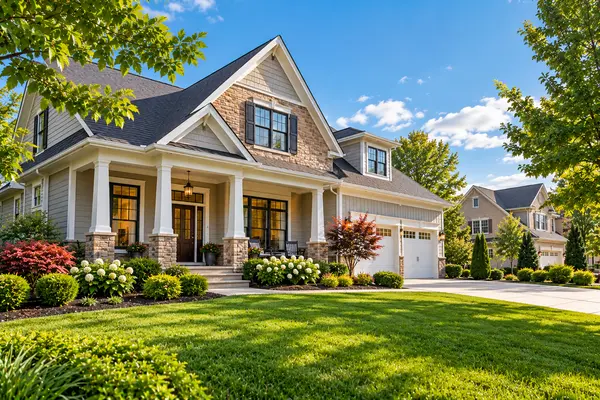
Selling Your Home in Anderson: Step-by-Step Guide
Selling your home in Anderson, SC is most effective when you set a realistic price, prepare the property carefully, disclose known conditions, and evaluate every offer on its full terms. Whether you have owned for two years or twenty, the process has more moving parts than many sellers expect, inclu
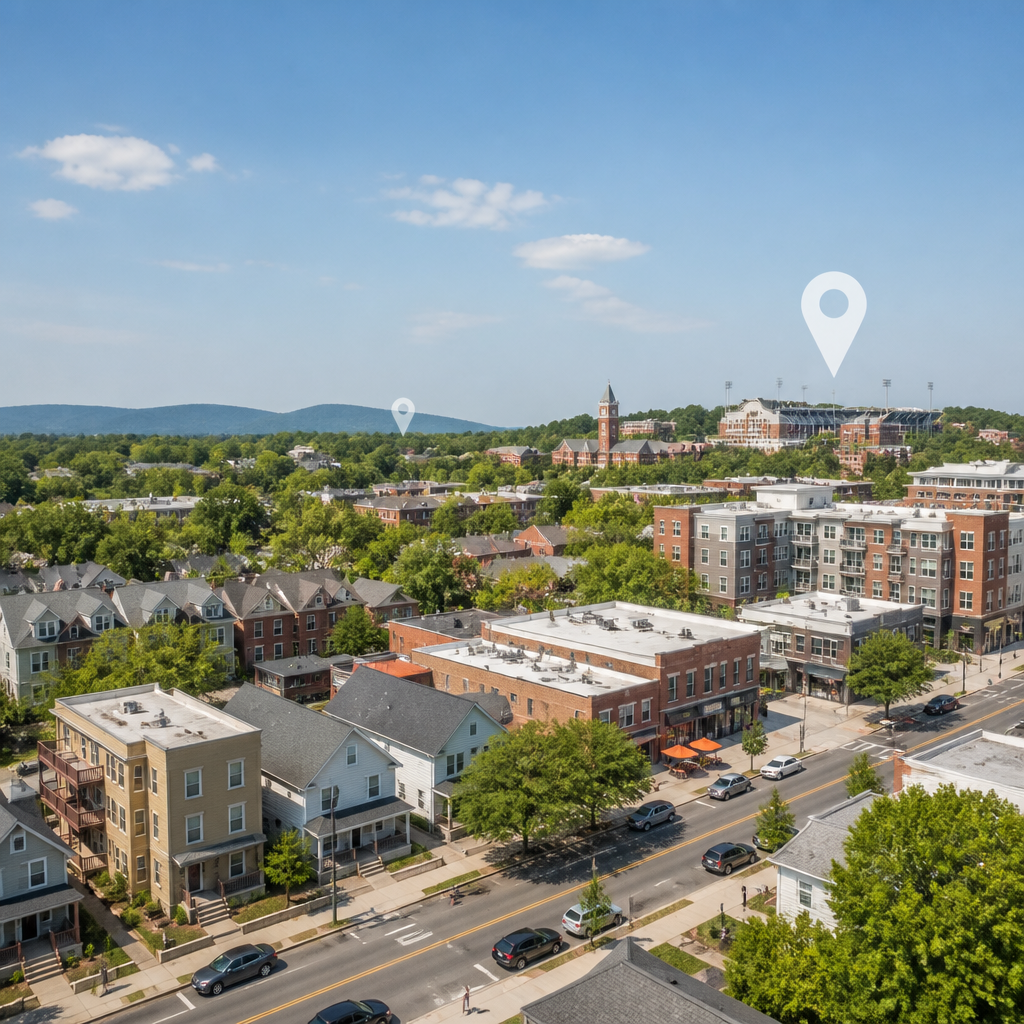
Top Property Management Tips for Clemson SC Landlords in 2026
Top Property Management Tips for Clemson SC Landlords in 2026 Clemson’s rental market in 2026 remains anchored by Clemson University’s enrollment of about 28,000 students, according to Clemson University. That steady academic demand shapes every major decision in Clemson SC property management, from
Discover Your Dream Home: Homes for Sale in Anderson SC - 2026 Market Insights
Discover Your Dream Home: Homes for Sale in Anderson SC - 2026 Market Insights The market for homes for sale in Anderson SC continues to attract buyers seeking value, access to Lake Hartwell, and a revitalized downtown. According to Redfin, Anderson’s median home sale price in late 2025 typically ra